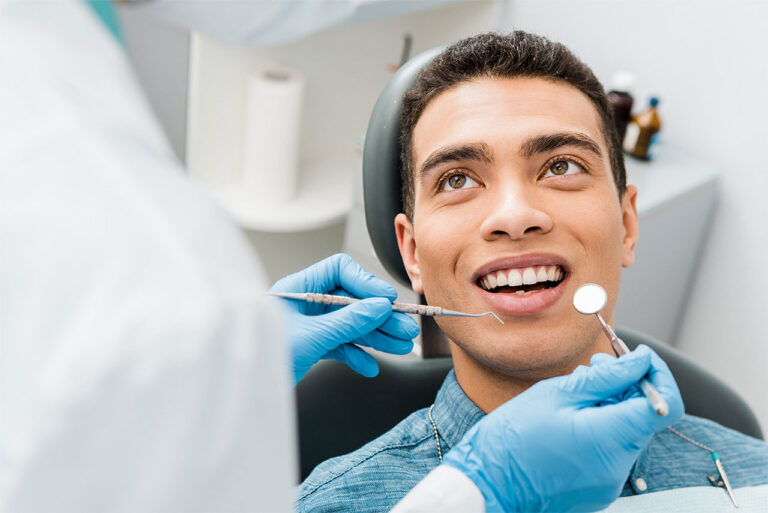

Have you noticed that your smile looks less bright than it once did, even though you brush every day? Tooth color naturally changes over time, and certain foods, drinks, medications, and habits can make discoloration more noticeable. Fortunately, professional teeth whitening in West Bloomfield may help lift many common stains and create a brighter appearance.
Whitening is not a one-size-fits-all treatment. The cause of discoloration, condition of the enamel, presence of fillings or crowns, and level of sensitivity all influence the plan. A dental evaluation can determine whether whitening is likely to work for your smile and whether another cosmetic option may be more appropriate.
Why Natural Tooth Color Varies
Healthy teeth are not always bright white. Natural shades range from warmer ivory tones to cooler gray or yellow tones. Enamel is partly translucent, so the underlying dentin contributes to the color that people see.
Enamel thickness also varies among individuals and may change with age. As enamel becomes thinner, the warmer color of dentin may become more visible. Therefore, a gradual change in shade does not automatically indicate poor oral hygiene.
Lighting, skin tone, lip color, and the shade of nearby dental restorations can influence how bright teeth appear. Cosmetic treatment should account for these details rather than aim for an artificial shade that does not complement the rest of the smile.
What Causes Surface Stains?
Surface stains, also called extrinsic stains, collect on the outside of the enamel. Dark-colored drinks are common contributors. Coffee, tea, red wine, cola, and some sports drinks contain pigments that can attach to the tooth surface.
Foods such as dark berries, tomato sauces, and strongly colored spices may also contribute. This does not mean these foods must be avoided completely. Rinsing with water after eating, maintaining good oral hygiene, and receiving professional cleanings can help manage surface discoloration.
Tobacco and nicotine products can create noticeable yellow or brown stains. In addition, smoking can increase the risk of gum disease and other oral health concerns. Whitening may improve some tobacco-related discoloration, but continued exposure can cause stains to return quickly.
Plaque and tartar can also make teeth appear dull or yellow. A professional cleaning removes deposits that whitening products cannot address. For that reason, cleaning may be recommended before professional teeth whitening.
What Causes Stains Inside a Tooth?
Intrinsic discoloration develops within the tooth rather than on the enamel surface. It may occur because of tooth development, certain medications, injury, excessive fluoride exposure during childhood, or changes within the dental pulp.
A single tooth that becomes darker after trauma should be evaluated. The change may indicate that the inner tissue was damaged. Whitening the entire smile without examining that tooth could overlook a condition that needs treatment.
Teeth with intrinsic discoloration may respond differently to professional teeth whitening. Some stains improve gradually, while others remain resistant. Veneers, bonding, crowns, or internal bleaching may be considered when ordinary external whitening cannot create the desired change.
How Professional Teeth Whitening Works
Professional whitening products contain ingredients that break apart stain molecules within the tooth structure. As the molecules become less concentrated, the teeth appear lighter. Whitening removes discoloration rather than covering it with paint or an artificial coating.
The concentration, application method, and treatment time vary. Some patients receive whitening in the dental office, while others use customized trays at home. In certain cases, the dentist may recommend a combination approach.
Custom trays are designed to fit closely around the teeth. A measured amount of whitening gel is placed inside the trays, which are worn according to instructions. Accurate fit helps keep the gel where it is needed and reduces unnecessary contact with the gums.
Professional supervision allows the plan to be adjusted for sensitivity, existing dental work, and the type of stain. It also provides an opportunity to identify cavities, cracks, or gum inflammation before whitening begins.
Benefits of Professional Teeth Whitening
- A customized treatment plan: The product, strength, schedule, and application method can be selected for the individual smile.
- Professional evaluation: The dentist can identify decay, gum inflammation, exposed roots, or restorations that may affect whitening.
- More predictable application: Custom trays or controlled in-office techniques help distribute the whitening material appropriately.
- Guidance for sensitivity: Treatment time and product use can be adjusted when teeth become temporarily sensitive.
- Clear expectations: Patients can learn which stains are likely to respond and which may need another cosmetic solution.
- Natural-looking shade selection: Whitening can be planned to complement the patient’s features rather than create an overly bright result.
- Convenient maintenance: Patients may receive instructions for preserving the shade and completing occasional touch-ups.
- Coordination with other dental care: Whitening can be timed before new crowns, bonding, or veneers so restorations can be matched to the brighter shade.
Professional Whitening Compared With Store-Bought Products
Many over-the-counter whitening strips, gels, and toothpastes are available. Some can improve mild surface discoloration when used correctly. However, they are designed for broad consumer use rather than customized to a particular mouth.
Whitening toothpaste mainly helps remove surface stains through polishing ingredients. It generally does not change internal tooth color as significantly as peroxide-based whitening. Frequent use of an abrasive product may also be uncomfortable for patients with sensitivity or exposed roots.
Whitening strips contain active ingredients but come in standardized shapes. They may not contact every tooth evenly, especially when teeth overlap or are rotated. Gel can also reach the gums if the strip shifts.
Professional teeth whitening begins with an examination and offers more control over fit, concentration, and timing. This does not mean every patient needs the strongest available product. In fact, a gradual approach may be more comfortable and still produce an attractive result.
Does Teeth Whitening Cause Sensitivity?
Temporary sensitivity is a common concern. Whitening ingredients can move through the enamel and dentin, which may briefly increase the tooth’s response to temperature. The sensation often improves after treatment is paused or completed.
Patients with a history of sensitivity should mention it before whitening. The dentist may recommend a lower concentration, shorter wear time, less frequent application, or a desensitizing product. Using fluoride toothpaste and avoiding extremely hot or cold foods during treatment may also help.
Sharp pain in one tooth is different from generalized temporary sensitivity. A cavity, crack, loose filling, or exposed root may be responsible. Stop using the product and contact the dental office if pain is severe, localized, or persistent.
Will Whitening Change the Color of Fillings or Crowns?
Whitening changes natural tooth structure, but it does not lighten porcelain, ceramic, composite fillings, or other restorative materials in the same way. A crown that matched before treatment may look darker after surrounding teeth become brighter.
This difference is particularly important when restorations are visible near the front of the mouth. The dentist can help plan the order of care. In some situations, whitening is completed first, then the new shade is allowed to stabilize before a crown, veneer, or bonding restoration is replaced.
Patients with several visible restorations may be better served by a combination plan. Whitening may improve the natural teeth, while selected restorations are updated to create a balanced appearance.
Who Should Wait Before Whitening?
Active cavities, leaking fillings, gum inflammation, or significant enamel damage should be addressed before professional teeth whitening. Whitening gel may cause discomfort when it reaches an untreated cavity or exposed root surface.
Patients who are pregnant or nursing may be advised to postpone elective whitening. Children and young teenagers also require careful evaluation because the teeth and pulp tissues may still be developing.
A person with unrealistic shade expectations may benefit from a detailed conversation before treatment. Natural tooth structure has limits, and not every smile will reach the same final shade. The goal should be a healthy, refreshed appearance rather than an exact match to an edited photograph.
How Long Do Whitening Results Last?
Teeth whitening is not permanent because the teeth remain exposed to pigments. The length of the result varies according to diet, tobacco use, oral hygiene, enamel characteristics, and maintenance habits.
Frequent coffee, tea, red wine, or tobacco use may cause discoloration to return more quickly. Drinking water after dark beverages and using a straw for appropriate cold drinks may reduce contact with the front teeth. However, a straw does not eliminate all exposure.
Brushing twice a day, flossing daily, and receiving professional cleanings can help control surface buildup. The dentist may also recommend occasional whitening touch-ups. More treatment is not always better, so follow the prescribed schedule rather than applying gel every time the shade changes slightly.
How to Protect Your Smile After Whitening
Follow the instructions provided for the first day or two after treatment. Teeth may be more likely to absorb pigments during this period. Choosing lighter-colored foods and drinks may help reduce immediate restaining.
Avoid tobacco and nicotine products. In addition to discoloration, they can affect gum health and healing. If stopping is difficult, speak with a healthcare professional about appropriate support.
Use a soft-bristled toothbrush and nonabrasive fluoride toothpaste. Aggressive brushing does not keep teeth whiter and can contribute to gum recession or enamel wear. In addition, do not use acidic home remedies such as lemon juice or vinegar. Acids can soften enamel and make teeth more vulnerable.
Regular dental visits help maintain both color and health. A professional cleaning can remove surface deposits, while an exam can identify problems that should be treated before another whitening cycle.
When Whitening May Not Be the Best Option
Professional teeth whitening is most effective for certain types of yellow or brown discoloration. Gray tones, developmental stains, and deep internal discoloration may respond less predictably.
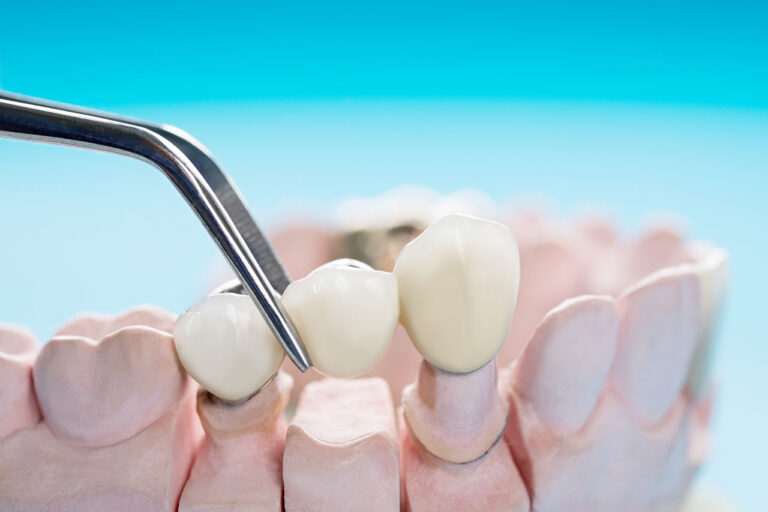
Dental bonding can cover localized imperfections with tooth-colored composite material. Porcelain veneers may change the color, shape, length, or proportions of selected teeth. Crowns may be appropriate when a tooth also needs significant structural protection.
A single dark tooth may require internal bleaching after root canal treatment, depending on its condition. Therefore, the correct cosmetic treatment depends on whether discoloration affects one tooth, several teeth, or the entire smile.
The most conservative effective option is often preferred. If whitening can produce the desired improvement, there may be no need to cover healthy tooth structure. However, resistant discoloration may call for another technique.
Frequently Asked Questions About Professional Teeth Whitening
How white will my teeth become?
Results vary according to the starting shade and cause of discoloration. Professional whitening can brighten many smiles, but it cannot guarantee a specific shade for every patient.
Can I whiten my teeth if I have sensitive gums?
Possibly, but the gums should be evaluated first. Active inflammation or recession may need treatment, and the whitening method may require adjustment.
Is teeth whitening permanent?
No. Pigments from food, drinks, and tobacco can gradually collect again. Good hygiene and occasional professionally directed touch-ups may help maintain the result.
Will whitening damage enamel?
Professionally supervised products are intended to be used according to specific instructions. Problems are more likely when products are overused, combined incorrectly, or applied to untreated dental conditions.
Should I whiten before getting a crown or veneer?
Often, yes. Whitening natural teeth first can help the dentist select a restoration shade that matches the brighter smile. The timing should be coordinated with the overall treatment plan.
Choose a Brighter Smile With a Personalized Plan
Teeth can become stained for many reasons, and the cause influences how well whitening will work. Professional teeth whitening offers a customized way to address common discoloration while accounting for sensitivity, enamel health, and existing dental restorations. An evaluation can help you choose a realistic shade goal and determine whether whitening or another cosmetic service fits your needs.
To explore professional teeth whitening in West Bloomfield, call Twin Oaks Dental Studio at (248) 553-3100 to schedule a consultation. You may also contact the practice online. Twin Oaks Dental Studio is located at 2300 Haggerty Rd, Suite 2040, West Bloomfield, MI 48323.