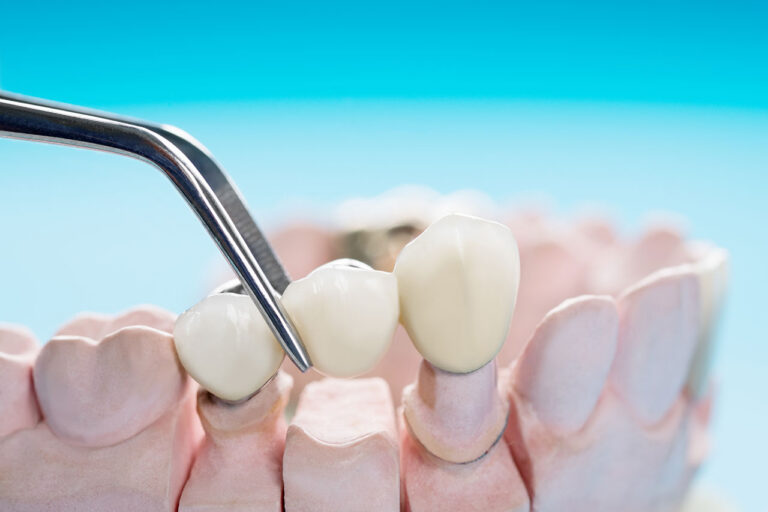

A cavity may begin without pain, sensitivity, or any visible change you can see in the mirror. That can make it tempting to wait until a tooth starts bothering you before doing anything about it. However, treating decay while it is still relatively limited can help preserve more natural tooth structure. Tooth-colored fillings in West Bloomfield offer a way to repair many cavities while blending the restoration with the natural tooth.
Composite fillings are made from tooth-colored resin that bonds directly to prepared enamel and dentin. They can restore teeth affected by decay, small fractures, or certain worn areas. Still, not every dark spot requires a filling, and not every damaged tooth can be restored with one. The size and location of the problem determine which treatment is appropriate.
What Is a Dental Cavity?
A cavity is an area of tooth structure damaged by decay. Bacteria in dental plaque interact with carbohydrates from foods and drinks, producing acids that can weaken tooth enamel over time.
Early mineral loss may begin before an actual hole forms in the tooth. At that stage, preventive measures may sometimes help stabilize the area. However, once the enamel surface has broken down and a cavity has formed, the tooth often needs restorative treatment.
If decay continues through enamel and reaches the softer dentin layer beneath it, the cavity may expand more quickly. Eventually, bacteria can approach the pulp, which contains nerves and blood vessels. At that point, treatment may become more extensive.
How Can You Have a Cavity Without Knowing It?
Small cavities often do not hurt. Enamel itself does not contain the same type of nerve tissue found deeper inside the tooth, so early decay can progress without producing a strong warning signal.
Cavities between teeth are particularly difficult to see without dental X-rays. Decay can also develop beneath the edge of an older filling or in a deep groove on the chewing surface of a molar.
This is one reason routine examinations are important. Waiting for pain can mean waiting until the cavity is larger and closer to the nerve.
What Symptoms Can a Cavity Cause?
As decay progresses, a tooth may become sensitive to cold, sweets, or biting pressure. You may notice a rough area, food catching in one spot, or a visible dark or light change on the enamel.
Some cavities cause intermittent discomfort rather than constant pain. A tooth might feel sensitive during a meal and then seem completely normal afterward.
Persistent pain, lingering temperature sensitivity, swelling, or severe discomfort can indicate that decay has reached deeper tissues. At that point, a filling alone may no longer be sufficient.
What Are Tooth-Colored Fillings?
Tooth-colored fillings are commonly made from composite resin. The material can be selected to coordinate with the shade of the surrounding tooth, which makes it useful in both visible and less visible areas.
Composite is placed directly into the prepared cavity in layers. Each layer is hardened with a curing light. The dentist then shapes and polishes the filling so it fits the natural contour of the tooth and works comfortably with the bite.
Because composite bonds to tooth structure, the preparation can often be designed around the damaged area rather than relying entirely on mechanical retention. The exact amount of enamel removed still depends on the location and extent of decay.
Benefits of Tooth-Colored Fillings
- Natural appearance: Composite resin can be selected to coordinate with the color of the surrounding tooth.
- Direct bonding: The material bonds to prepared tooth structure, helping create a stable restoration.
- Conservative repair in suitable cases: Treatment can often focus closely on the area affected by decay or damage.
- Single-visit treatment: Many routine fillings can be completed during one dental appointment.
- Versatile use: Composite may be used for cavities, small chips, certain worn areas, and replacement of selected older fillings.
- No visible silver restoration: The filling can blend into the tooth rather than creating a metallic appearance.
- Repairability: In some cases, a small defect can be repaired with additional composite rather than replacing the entire restoration.
What Happens During a Filling Appointment?
The dentist first evaluates the tooth and determines the extent of decay. Local anesthesia is typically used when treatment extends into sensitive tooth structure.
The decayed portion of the tooth is carefully removed. The area is then cleaned and prepared so the composite can bond effectively.
A dental adhesive is applied, followed by layers of tooth-colored resin. Each layer is hardened with a curing light before additional material is placed.
The dentist shapes the final surface to recreate natural tooth anatomy. On a back tooth, this includes grooves and contours that help the tooth function during chewing.
Your bite is checked before the appointment is finished. If the filling contacts too strongly when you close your teeth, the dentist can adjust it. Finally, the restoration is polished for a smoother surface.
How Does a Dentist Know Whether a Tooth Needs a Filling?
Diagnosis may involve a visual examination, dental instruments, X-rays, symptoms, and comparison with previous records. The dentist considers whether the enamel is intact, whether a lesion is progressing, and how much tooth structure is affected.
Not every stained groove is a cavity. Teeth naturally develop discoloration in pits and fissures, and some areas can remain stable for years. Likewise, very early enamel changes may sometimes be monitored and managed preventively instead of immediately drilled.
However, when the tooth surface has broken down or decay has extended into deeper layers, a filling may be recommended to remove damaged structure and restore the area.
Can a Small Cavity Heal Without a Filling?
Very early mineral loss in enamel may sometimes be stabilized before a physical cavity develops. Fluoride exposure, improved plaque control, changes in diet, and professional monitoring can all play a role.
Once there is a true hole or structural breakdown in the tooth, enamel cannot rebuild the missing shape on its own. At that stage, a restoration is generally necessary.
The distinction is important because patients often use the word cavity to describe any area of early decay. Your dentist can explain whether the problem is at a preventive stage or a restorative stage.
When Is a Filling Not Enough?
A filling works best when enough healthy tooth remains to support it. If decay or fracture has removed a large portion of the tooth, placing a very large filling may not provide adequate protection.
Inlays, onlays, or crowns may be considered when the damaged area is more extensive. These restorations can cover weakened chewing surfaces or cusps that need additional support.
If decay has reached the dental pulp and caused irreversible inflammation or infection, root canal treatment may be necessary before the tooth is restored. If the tooth is damaged beyond predictable repair, extraction may be discussed.
Therefore, treating cavities earlier can sometimes preserve simpler options.
Do Tooth-Colored Fillings Last Forever?
No dental filling should be considered permanent. Composite resin experiences years of chewing pressure, temperature changes, and exposure to oral bacteria. Over time, it may wear, chip, stain, or separate from the tooth.
The lifespan of a filling depends on its size and location. A small restoration on a lightly loaded surface may behave differently from a large filling on a molar that receives strong chewing forces.
Grinding and clenching can also increase wear. Patients who place heavy pressure on their teeth may benefit from a protective night guard.
Regular dental exams allow the dentist to monitor the edges of the filling and look for signs of recurrent decay or cracking.
Can You Get Another Cavity Around a Filling?
Yes. The filling material itself does not develop tooth decay, but the natural tooth around it still can. Plaque may collect near the edge where the restoration meets enamel.
If decay develops around or beneath an existing filling, the restoration may need to be replaced. The dentist removes the old material as needed, treats the new decay, and evaluates how much healthy tooth remains.
Daily brushing with fluoride toothpaste, cleaning between teeth, and regular professional care can help reduce the risk of recurrent decay.
Should Old Silver Fillings Automatically Be Replaced?
Not necessarily. An existing restoration should generally be evaluated based on its condition rather than replaced only because of its age or color.
If an older filling is stable, the surrounding tooth is healthy, and there are no cracks or recurrent cavities, monitoring may be appropriate. Removing a filling also requires removal of some tooth structure, so replacement should have a clinical reason.
If the restoration is failing, the tooth has fractured, decay is present around the edges, or the patient has another specific treatment need, replacement may be recommended.
Why Does a New Filling Sometimes Feel Sensitive?
Temporary sensitivity can occur after a filling because the tooth has been treated and may need time to settle. Cold sensitivity or mild tenderness when chewing may occur for a short period.
A filling that feels too high can also create biting discomfort. If one tooth seems to contact before the others, call the dental office. A minor bite adjustment may solve the problem.
Persistent, worsening, or spontaneous pain should be evaluated. Deeper decay may have irritated the pulp more significantly than expected, or another issue may be present.
How Can You Reduce Your Risk of Future Cavities?
Brush twice a day with fluoride toothpaste, focusing on the gumline and all chewing surfaces. Clean between teeth daily with floss or another recommended interdental tool.
Frequency of sugar exposure matters as well as the amount. Continually sipping sweetened beverages or snacking throughout the day gives oral bacteria repeated opportunities to produce acids.
Water is a useful everyday beverage because it helps rinse the mouth without providing sugar to cavity-causing bacteria.
Regular preventive visits allow small changes to be identified early. Depending on your risk, fluoride treatments, sealants, dietary changes, or a more frequent preventive schedule may also be recommended.
Frequently Asked Questions About Tooth-Colored Fillings
How long does it take to get a tooth-colored filling?
Many routine fillings can be completed in one appointment. The exact time depends on the size, location, and number of teeth being treated.
Can I eat immediately after a composite filling?
Composite material is hardened during the appointment. However, you should avoid chewing while your mouth remains numb so you do not accidentally bite your cheek, lip, or tongue.
Do tooth-colored fillings stain?
Composite resin can develop surface discoloration over time, particularly with frequent exposure to dark beverages or tobacco. Professional polishing may improve some staining.
Why does my filling hurt when I bite?
A newly placed filling may occasionally require a bite adjustment. Biting pain can also have other causes, so persistent discomfort should be evaluated.
Can a filling prevent a root canal?
Treating decay before it reaches the dental pulp may reduce the chance that root canal treatment becomes necessary. However, the correct treatment depends on how deeply the tooth is affected.
Repair Cavities Before They Become Larger Problems
A cavity does not need to hurt before it deserves attention. Tooth-colored fillings can restore many areas of early to moderate decay while maintaining a natural appearance. The sooner a damaged area is evaluated, the more likely it may be that enough healthy tooth remains for a conservative restoration.
To learn whether you need tooth-colored fillings in West Bloomfield, contact Twin Oaks Dental Studio at (248) 553-3100 to schedule an appointment. You can also contact Twin Oaks Dental Studio online. The practice is located at 2300 Haggerty Rd, Suite 2040, West Bloomfield, MI 48323.