
Would you like straighter teeth without placing metal brackets and wires across your smile? For many adults and teenagers, SureSmile clear aligners in West Bloomfield offer a discreet and removable approach to orthodontic treatment.
SureSmile treatment uses a series of custom-made clear trays to guide teeth toward planned positions. Each aligner applies carefully directed pressure, and the sequence is designed using a digital model of your mouth. However, successful treatment requires more than simply wearing transparent trays. A thorough evaluation, precise planning, consistent daily wear, and long-term retainer use all contribute to the result.
What Are SureSmile Clear Aligners?
SureSmile clear aligners are removable orthodontic appliances created to fit closely over the teeth. Rather than adjusting brackets and wires, treatment progresses by changing to a new set of aligners according to the schedule provided by the dentist.
Each tray is slightly different. Those small differences create controlled pressure that encourages certain teeth to move. As one stage is completed, the next aligner continues the process. The complete series works together to move the teeth toward the positions mapped during digital treatment planning.
The aligners are made from clear material, which makes them less noticeable than traditional braces. They are also removable for meals, brushing, and flossing. Nevertheless, removable treatment depends heavily on patient participation. Aligners cannot guide the teeth when they are sitting in a case instead of being worn.
How Digital Treatment Planning Works
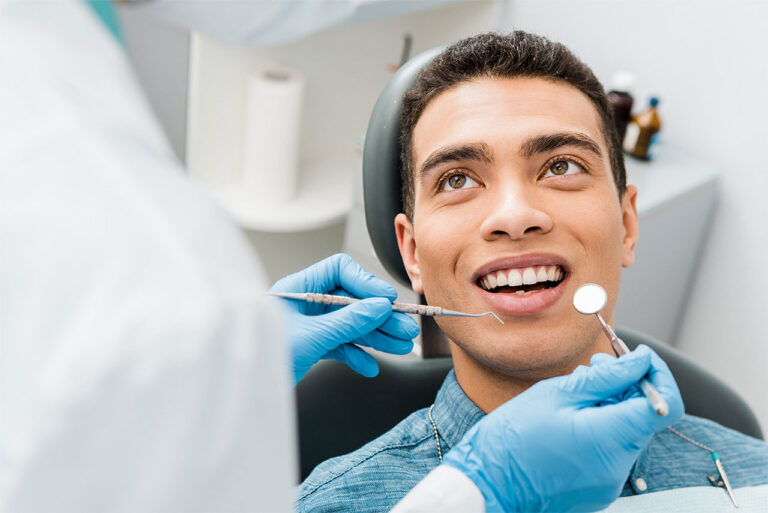
SureSmile treatment begins with an orthodontic evaluation. The dentist examines tooth alignment, gum health, jaw relationships, existing restorations, and the way the upper and lower teeth meet. Digital scans, photographs, and X-rays may be used to develop a complete understanding of the mouth.
A digital scan captures the shape and position of the teeth without relying on traditional putty impressions. The scan is used to create a three-dimensional model. Treatment-planning software then helps map the intended tooth movements from the starting position to the proposed result.
Digital planning allows the dentist to consider the order of movement rather than trying to shift every tooth at once. Some teeth may need space before they can rotate or move into alignment. Others may need to move in a specific sequence to protect the bite. Therefore, the plan is not simply a cosmetic preview. It is a guide for how orthodontic forces will be applied over time.
Patients may be able to view a digital representation of the proposed changes. This can make the process easier to understand, although it is still a treatment simulation rather than a guarantee. Teeth respond biologically, and adjustments may be needed if movement does not occur exactly as predicted.
What SureSmile Clear Aligners Can Address
Clear aligners may be used for crowded teeth, gaps, mild rotations, and certain bite concerns. They can also help patients whose teeth shifted after earlier orthodontic treatment. The type and severity of the problem determine whether SureSmile is an appropriate choice.
Crowding occurs when there is not enough room for the teeth to line up evenly. SureSmile clear aligners may create or redistribute space and guide overlapping teeth into improved positions. Spacing is the opposite concern. When gaps are present, aligners may bring selected teeth closer together.
Some overbites, underbites, crossbites, and open bites may respond to clear aligner treatment. However, complex jaw relationships or severe tooth movements may require a different approach. Traditional braces, additional orthodontic appliances, or specialist care may sometimes provide greater control.
A consultation is necessary because two smiles that look similar from the front can have very different bite relationships beneath the surface. The dentist considers function as well as appearance before recommending SureSmile clear aligners.
Benefits of SureSmile Clear Aligners
- Discreet appearance: The clear material is designed to be less noticeable than metal brackets and wires.
- Removable trays: Patients can remove the aligners for meals, brushing, and flossing.
- No bracket-related food restrictions: Because the trays come out while eating, there are no brackets that can break when chewing certain foods.
- Digital planning: The treatment sequence is developed from a three-dimensional model of the teeth and bite.
- Smoother surfaces: Clear trays do not have metal wires or bracket edges that can rub against the cheeks.
- Easier daily hygiene: Patients can brush and floss without cleaning around fixed orthodontic hardware.
- Planned tooth movements: Each aligner is part of a customized sequence created for the individual patient.
- Flexible routines: Removability can make special meals, photographs, and important events easier to manage, provided the aligners are worn for the required daily time.
How Many Hours a Day Should Aligners Be Worn?
SureSmile clear aligners generally need to be worn most of the day and night. They should be removed for eating, drinking beverages other than water, brushing, and flossing. The exact daily schedule will be explained by the dentist.
Consistent wear matters because teeth begin responding to the pressure of each tray. When aligners are left out for long periods, treatment may slow and the current tray may stop fitting properly. Irregular wear can also make the transition to the next aligner more uncomfortable.
Patients should develop a routine for storing the trays whenever they are removed. A protective case helps prevent aligners from being wrapped in a napkin, discarded accidentally, or damaged by a pet. In addition, the trays should not be placed in hot water because heat may distort their shape.
What Does SureSmile Treatment Feel Like?
A new aligner usually feels snug. Mild pressure or tenderness may occur as the teeth begin responding to the next stage. This sensation often improves after a short adjustment period. It is generally different from sharp pain and should not prevent normal daily activities.
Some patients notice temporary changes in speech when they first begin wearing aligners. The tongue needs time to adapt to the thin layer covering the teeth. Reading aloud or speaking regularly can help the adjustment happen more quickly.
The edges of the trays are designed for comfort, but an area may occasionally feel rough. Patients should contact the dental office for guidance rather than aggressively trimming an aligner. Changing its shape can affect fit and tooth movement.
Attachments may be placed on selected teeth to help the trays apply specific forces. These small tooth-colored shapes give the aligners additional grip for movements such as rotation or controlled tipping. Attachments can feel noticeable at first, but most patients adapt quickly.
Eating and Drinking With Clear Aligners
Aligners should be removed for meals and snacks. Eating with the trays in place can crack, stain, or distort them. Food can also become trapped between the aligner and tooth surface, increasing the time that acids and carbohydrates remain against the enamel.
Plain water is generally the safest beverage while wearing SureSmile clear aligners. Coffee, tea, soda, sports drinks, and wine can stain the trays or expose teeth to sugar and acid. Hot beverages may also affect the aligner material.
After eating, brush your teeth before reinserting the trays when possible. If brushing is not immediately available, rinse your mouth and aligners thoroughly, then brush as soon as practical. Placing trays over food debris can contribute to odor, staining, and plaque buildup.
How to Clean SureSmile Clear Aligners
Clean aligners with cool or lukewarm water and a soft toothbrush. Use the cleaning method recommended by the dental team because some toothpastes are abrasive and may make the trays appear cloudy.
Do not use bleach, harsh household cleaners, or boiling water. These products can damage the material or leave unsafe residue. Specialized aligner-cleaning products may be useful, but they should complement regular gentle cleaning rather than replace it.
It is equally important to clean your teeth. Brush at least twice a day and floss daily. Because the trays fit closely over the enamel, plaque and food left on the teeth can remain trapped for an extended period. Regular dental cleanings should continue throughout orthodontic treatment.
How Long Does SureSmile Treatment Take?
Treatment length depends on the starting position of the teeth, the complexity of the bite, and how consistently the aligners are worn. Minor alignment concerns may take less time than complex crowding or bite correction. The dentist can provide a personalized estimate after reviewing the digital records.
Patients typically change aligners according to a prescribed schedule. Moving to the next tray too early may apply forces before the teeth are ready. Staying in one tray too long may delay progress. Therefore, follow the provided schedule rather than changing trays based only on how they feel.
Progress visits allow the dentist to confirm that the teeth are tracking with the plan. These appointments may be less frequent than traditional adjustment visits, but they remain important. If a tooth is not moving as expected, the dentist may modify the plan, add attachments, or order refinement aligners.
What Happens After the Last Aligner?
Orthodontic treatment is not complete when the active aligner sequence ends. Teeth naturally have a tendency to shift, particularly during the months after movement. Retainers help hold the new positions while the surrounding bone and tissues adapt.
The dentist will recommend a retainer schedule based on your case. Full-time wear may be advised initially, followed by nighttime use. Skipping retainers can allow crowding or spacing to return, even when the active treatment was successful.
Retainers also need cleaning and periodic evaluation. They can wear, crack, or lose their fit over time. Contact the office if a retainer feels tight, loose, or damaged. A replacement may be needed before noticeable shifting occurs.
Who May Not Be a Good Candidate?
SureSmile clear aligners require consistent daily wear, so they may not be ideal for someone who expects difficulty keeping the trays in place. In addition, active cavities or gum disease should be addressed before orthodontic movement begins.
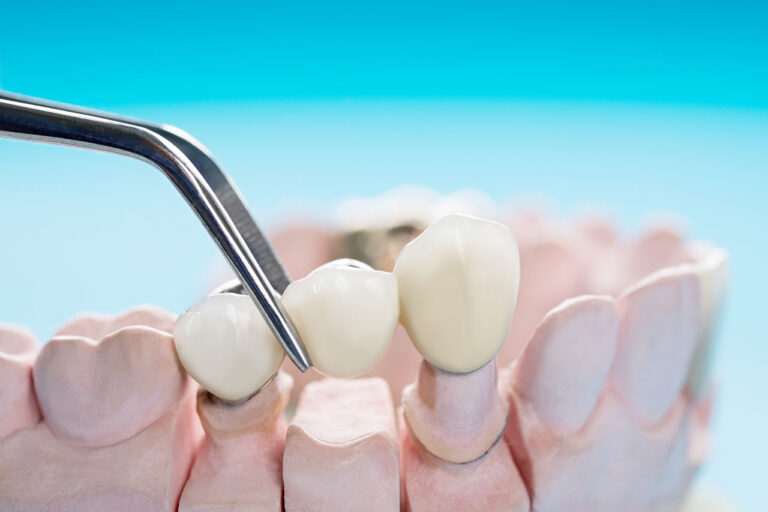
Severe bite problems, complex rotations, impacted teeth, or significant jaw discrepancies may require braces or specialist treatment. Patients with certain crowns, bridges, implants, or missing teeth may still be candidates, but planning may be more complex because dental restorations do not move in the same way as natural teeth.
The goal is not to place every patient into the same system. Instead, the evaluation determines whether SureSmile clear aligners can produce a healthy and predictable result for the individual smile.
Frequently Asked Questions About SureSmile
Are SureSmile aligners the same as retainers?
No. Active aligners are designed to move teeth through a planned sequence. Retainers are worn after treatment to help keep teeth in their corrected positions.
Can I take my aligners out for an important event?
Yes, for a limited period. However, the trays must still be worn for the recommended total time each day. Frequent or extended removal can delay treatment.
What happens if I lose an aligner?
Contact the dental office promptly. Depending on where you are in the sequence, the dentist may recommend wearing the previous tray, moving forward, or ordering a replacement. Do not guess because the wrong choice may affect tracking.
Can I whiten my teeth during clear aligner treatment?
Whitening may be possible in some cases, but timing and product selection should be discussed with the dentist. Attachments and uneven tooth exposure may affect how the shade changes.
Will clear aligners change my bite?
Orthodontic treatment is intended to change tooth positions, which can also change how the teeth meet. That is why bite evaluation and professional monitoring are essential.
Make Clear Aligner Treatment Work for You
SureSmile clear aligners can provide a discreet and flexible route toward improved alignment. However, the trays work best when the treatment plan is carefully designed and the patient follows the wear schedule. A personal evaluation can determine whether clear aligners are appropriate for your teeth, bite, lifestyle, and goals.
To learn more about SureSmile clear aligners in West Bloomfield, call Twin Oaks Dental Studio at (248) 553-3100 to book an appointment. You may also contact the practice online. Twin Oaks Dental Studio is located at 2300 Haggerty Rd, Suite 2040, West Bloomfield, MI 48323.