Some smile concerns are small on their own but more noticeable when they appear together. One tooth may be slightly chipped, another may look shorter than its neighbor, and a few teeth may have discoloration that does not respond well to whitening. For patients who want to address several cosmetic details at the same time, porcelain veneers in West Bloomfield may offer a customized way to refine the appearance of the front teeth.
Porcelain veneers are thin ceramic restorations bonded to the front surfaces of selected teeth. They can change color, shape, length, proportion, and the appearance of small spaces or minor irregularities. However, veneers are not simply a cosmetic cover placed over every concern. The teeth and gums must be healthy, the bite should be evaluated, and the treatment plan should preserve as much healthy tooth structure as possible.
What Are Porcelain Veneers?
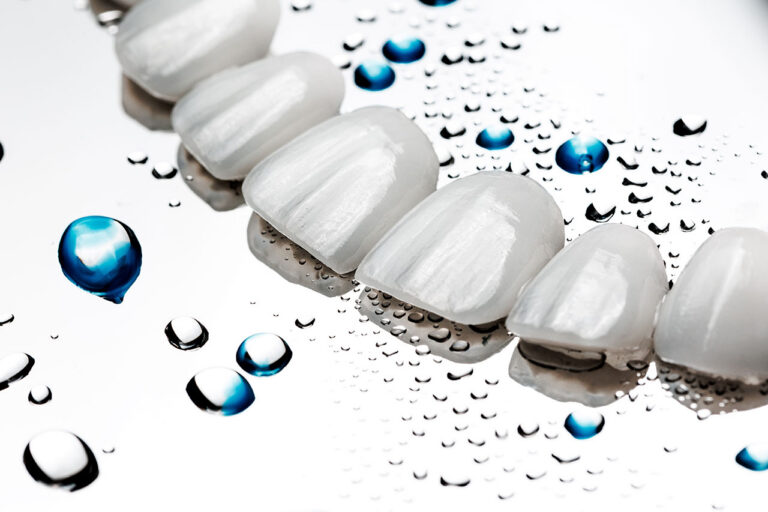
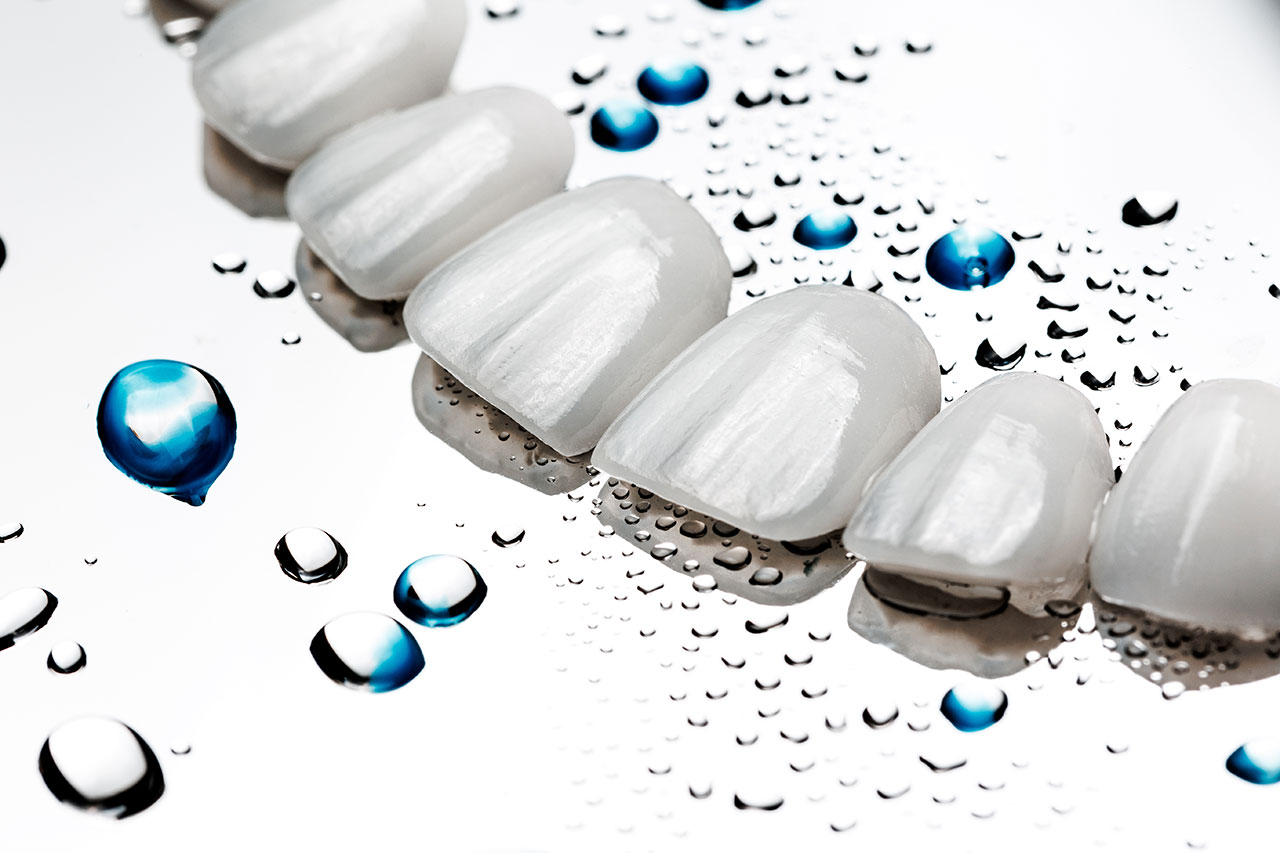
Porcelain veneers are custom-made shells designed to cover the visible front portion of a tooth. Unlike a dental crown, which generally surrounds most of the visible tooth, a veneer focuses primarily on the front surface and selected edges. This allows the dentist to make targeted cosmetic changes while maintaining much of the natural tooth underneath.
Each veneer is designed for one specific tooth. The dentist considers tooth width, length, shade, surface texture, gumline, neighboring teeth, lip movement, and overall facial proportions. As a result, a well-planned veneer should not look like a generic white tile. Instead, it should fit naturally within the rest of the smile.
Dental porcelain can reflect light in a way that resembles natural enamel. It can also maintain its color well over time. Still, the finished appearance depends on thoughtful shade selection, preparation, laboratory design, and precise bonding.
What Smile Concerns Can Porcelain Veneers Address?
Veneers may be considered when several front teeth have cosmetic concerns that cannot be fully corrected with whitening or minor polishing. For example, a tooth with deeper internal discoloration may not respond predictably to bleaching. A veneer can cover the visible surface and create a more even shade.
Small chips and worn edges are another common reason patients ask about porcelain veneers. A restoration can rebuild the visible contour and help neighboring teeth look more balanced. Slight differences in tooth length or shape may also be adjusted to create smoother proportions.
Veneers can sometimes make small spaces between teeth appear closed. They may also improve the appearance of mild rotation or uneven alignment when orthodontic treatment is not required for health or function. However, veneers do not physically move teeth or correct a significant bite problem. If crowding, spacing, or jaw relationships are more complex, orthodontic treatment may be the more appropriate first step.
Surface defects, irregular enamel, and older cosmetic bonding may also lead someone to consider veneers. The key is determining whether the concern is primarily cosmetic or whether the tooth needs structural protection as well. A weak, heavily filled, or significantly cracked tooth may be better served by a crown.
Benefits of Porcelain Veneers
- Several cosmetic changes in one plan: Veneers can address color, shape, small chips, proportions, and selected spacing concerns at the same time.
- Natural-looking ceramic: Porcelain can be shaded and textured to resemble surrounding enamel instead of creating a flat or overly uniform appearance.
- Resistance to many surface stains: Ceramic does not absorb pigments in the same way natural enamel can, although surrounding teeth still require normal care.
- Customized tooth proportions: Length, width, contour, and edge shape can be planned to complement the patient’s smile and facial features.
- Long-term cosmetic stability: With appropriate care, porcelain veneers can maintain their appearance for many years.
- Conservative coverage in suitable cases: Veneers generally involve less tooth coverage than full crowns when the tooth is otherwise healthy.
- Compatibility with other cosmetic treatments: Whitening, bonding, or orthodontic treatment may sometimes be coordinated with veneers as part of a broader smile plan.
What Happens During a Veneer Consultation?
The consultation begins with a conversation about what you would like to change. Some patients are focused on one chipped tooth, while others are concerned about shade, symmetry, spacing, or several teeth that look different from one another. Clear goals help the dentist determine whether veneers are the most conservative way to create the desired improvement.
The dentist then evaluates the teeth, gums, bite, and existing restorations. Cavities and active gum inflammation should generally be treated before cosmetic work begins. The amount and quality of enamel are also important because veneers depend on reliable bonding to the tooth.
Photographs, digital scans, or X-rays may be used when appropriate to understand the smile and plan treatment. The dentist may also discuss how many teeth should be included. Treating only one or two teeth can work well in some cases, while other smiles may look more balanced when several visible teeth are planned together.
If professional whitening is part of the overall plan, it is often completed before the final veneer shade is selected. Porcelain does not whiten later in the same way natural enamel does. Planning the sequence can therefore help create a more consistent appearance.
Does Getting Porcelain Veneers Require Removing Enamel?
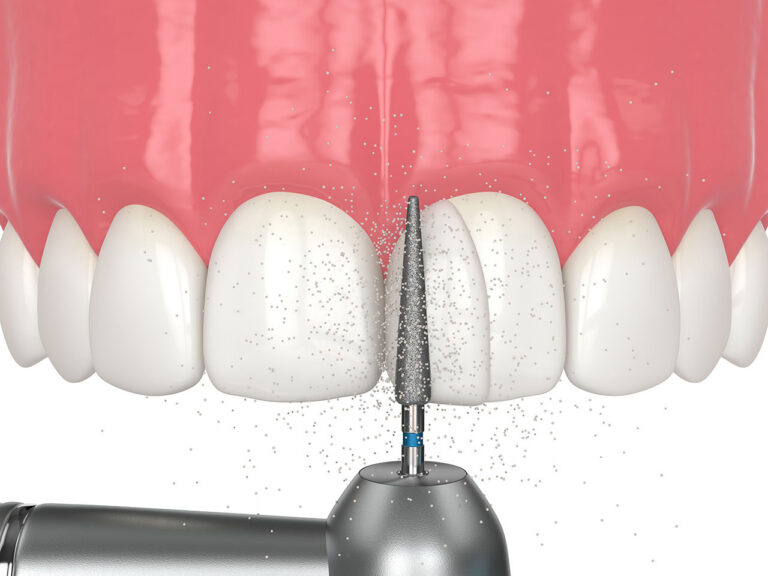
Traditional porcelain veneers usually require removal of a small amount of enamel to create space for the ceramic and prevent the teeth from looking bulky. The exact amount varies according to tooth position, desired changes, and veneer design. Some teeth may need very little preparation, while others require more.
Because enamel removal is generally irreversible, veneers should be considered a long-term commitment. Once a tooth has been prepared, it will typically continue to need a veneer or another restoration in the future. That is one reason cosmetic treatment should be planned carefully rather than rushed.
Patients sometimes ask about no-preparation or minimal-preparation veneers. These approaches may be suitable in selected situations, particularly when adding volume to a small or recessed tooth. However, placing ceramic over a tooth without adequate space can create excessive thickness. The most conservative treatment is the one that produces a healthy, cleanable, natural result for that particular patient.
What Is the Porcelain Veneer Process Like?
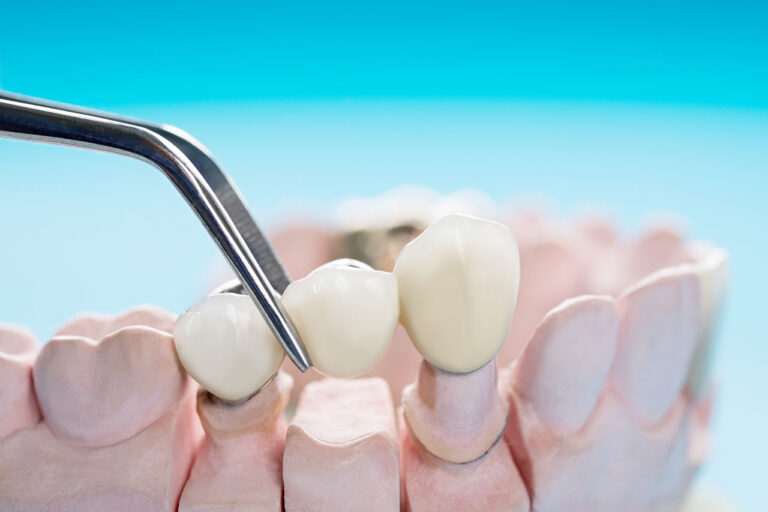
Once the plan is finalized, the teeth are prepared as needed. Local anesthesia may be used for comfort. Impressions or digital scans are then taken so the restorations can be created to match the prepared teeth and surrounding smile.
Temporary veneers may be placed while the final porcelain restorations are being made. Temporaries protect prepared teeth and give the patient an opportunity to become familiar with the planned shape and length. They may feel different from the finished porcelain because temporary materials are designed for short-term use.
At the delivery visit, the dentist removes the temporary restorations and evaluates each veneer. Color, shape, contact with neighboring teeth, and fit along the edges are reviewed before permanent bonding. Small adjustments can be made when needed.
The teeth are then cleaned and prepared for bonding. The veneers are attached with dental adhesive and resin cement, which are hardened with a curing light. Finally, the dentist removes excess material, evaluates the bite, and polishes the edges.
How Long Do Porcelain Veneers Last?
Porcelain veneers are designed as durable cosmetic restorations, but they are not permanent. Their lifespan varies according to bite forces, oral hygiene, tooth grinding, diet, accidents, and the condition of the supporting tooth.
A veneer may eventually chip, fracture, loosen, or need replacement. Gumlines can also change over time, which may affect how the restoration looks. Regular dental exams allow the dentist to monitor these changes and address small concerns before they become more significant.
Patients who grind or clench their teeth may be advised to wear a night guard. Repeated pressure can place stress on veneers just as it can wear natural enamel. Similarly, chewing ice, biting hard objects, or using teeth to open packages can damage ceramic restorations.
How Do You Care for Porcelain Veneers?
Veneers should be brushed twice a day and cleaned between the teeth daily. The porcelain itself cannot develop a cavity, but the natural tooth around the edges still can. Plaque can also irritate the gums around a veneer, potentially causing redness, swelling, or recession.
Use a soft-bristled toothbrush and a nonabrasive toothpaste. Aggressive scrubbing is not necessary. Floss should be guided gently between teeth rather than snapped into the gums.
Professional cleanings and examinations remain important. Tell your dental team that you have veneers so appropriate cleaning and polishing techniques can be used. In addition, contact the office if a veneer feels loose, the bite changes, or a new rough edge develops.
Porcelain Veneers Compared With Dental Bonding
Dental bonding uses tooth-colored composite resin applied directly to the tooth. It can be a useful choice for a small chip, minor gap, or localized shape concern. Bonding generally requires less tooth preparation and can often be completed in one appointment.
Porcelain veneers may be considered when several teeth need more extensive changes in color or shape. Ceramic also tends to resist staining better than composite resin. However, veneers typically require more planning and represent a larger long-term commitment.
Neither option is automatically better. A minor repair may not justify a veneer, while widespread discoloration or several irregular teeth may be difficult to address predictably with bonding alone. A consultation helps match the treatment to the actual concern.
Porcelain Veneers Compared With Teeth Whitening
Professional whitening is often the most conservative choice when the main concern is generalized tooth discoloration. Whitening changes the shade of natural enamel without covering the teeth. However, it cannot change tooth shape, rebuild chips, or close spaces.
Some internal discoloration does not respond evenly to whitening. In those situations, veneers may create a more predictable color change. Whitening may also be performed on surrounding natural teeth before veneers are placed so the ceramic can be matched to the desired shade.
Who May Not Be a Good Candidate for Porcelain Veneers?
Active decay, untreated gum disease, or significant enamel loss may need attention before veneers can be considered. Teeth with large fractures or extensive existing restorations may require crowns instead. Heavy grinding can also increase the risk of damage unless the bite is managed appropriately.
Patients with major crowding or bite concerns may benefit from orthodontic treatment first. Moving teeth into healthier positions can sometimes reduce the amount of restorative treatment needed and create a better foundation for cosmetic dentistry.
Expectations matter as well. Veneers can refine a smile, but they should still look appropriate for the person wearing them. A thoughtful consultation includes discussion of shade, shape, maintenance, limitations, and future replacement needs.
Frequently Asked Questions About Porcelain Veneers
Do porcelain veneers look like natural teeth?
They can. Porcelain veneers are customized for color, translucency, shape, and surface texture. The goal is to complement the surrounding teeth and facial features rather than create the same appearance for every patient.
Can porcelain veneers fix crooked teeth?
Veneers may improve the appearance of mild irregularities, but they do not physically move teeth. More significant crowding, rotation, or bite concerns may be better treated with orthodontics.
Can porcelain veneers stain?
Porcelain resists many common surface stains better than natural enamel. However, neighboring teeth and exposed natural tooth structure can still discolor, so good oral hygiene and regular dental care remain important.
Can a veneer be repaired if it chips?
Minor damage may sometimes be smoothed or repaired with composite material, depending on its location. More significant fractures usually require replacement of the veneer.
How many porcelain veneers do I need?
The number depends on which teeth show when you smile, what you want to change, and how the restored teeth will blend with nearby natural teeth. Some patients need only one or two, while others choose several.
Explore a Personalized Approach to Your Smile
Porcelain veneers can address several cosmetic concerns at once, but natural-looking results begin with careful planning. Healthy teeth and gums, realistic expectations, balanced proportions, and thoughtful shade selection all matter. A cosmetic consultation can help determine whether veneers, bonding, whitening, orthodontics, or a combination of treatments is appropriate for your goals.
To learn more about porcelain veneers in West Bloomfield, contact Twin Oaks Dental Studio at (248) 553-3100 to schedule a consultation. You can also contact the practice online. Twin Oaks Dental Studio is located at 2300 Haggerty Rd, Suite 2040, West Bloomfield, MI 48323.