
A toothache can interrupt sleep, make meals difficult, and turn an ordinary day into a stressful one. Even so, many people wait to see whether the pain will disappear. Understanding when to contact an emergency dentist in West Bloomfield can help you avoid unnecessary discomfort and reduce the chance that a small problem becomes more serious.
Some tooth pain may fade temporarily, especially when irritation is mild. However, disappearing pain does not always mean the cause has healed. A cavity, crack, infection, loose restoration, or inflamed nerve can continue progressing after symptoms change. Therefore, the safest approach is to pay attention to the type of pain, how long it lasts, and whether other warning signs are present.
Why Toothaches Happen
A toothache is a symptom, not a diagnosis. Teeth contain an inner layer called pulp, which holds nerves and blood vessels. When decay, trauma, or a crack irritates that tissue, pain may develop. The gums and bone around the tooth can also become inflamed or infected, creating pressure, tenderness, or throbbing.
Common causes include cavities, fractured teeth, worn fillings, lost crowns, gum infection, food trapped between teeth, and teeth grinding. In addition, sinus pressure can sometimes create discomfort in upper back teeth. A wisdom tooth that is partially covered by gum tissue may also become painful if debris and bacteria collect around it.
Because several problems can feel similar, emergency dentistry focuses on finding the source rather than simply masking the symptom. The dentist may examine the tooth, check the bite, test sensitivity, and take digital images when needed. Once the cause is clear, treatment can be matched to the problem.
Can a Toothache Really Go Away Without Treatment?
Minor sensitivity caused by temporary irritation may improve. For example, the gum can feel sore after food becomes wedged between two teeth. Gentle flossing may remove the debris and relieve the pressure. Likewise, brief sensitivity after whitening or recent dental work may settle as the tooth adjusts.
However, ongoing or severe pain often needs professional care. A cavity does not grow new enamel, and a cracked tooth does not mend itself. An infected dental nerve may eventually stop sending pain signals if the tissue dies, but the infection can remain inside the tooth and spread into the surrounding area. Therefore, a sudden decrease in intense pain can sometimes be a warning rather than a cure.
It is also possible for symptoms to come and go. A tooth may hurt when chewing for several days, feel normal for a week, and then become painful again. This pattern can occur with a crack, inflamed nerve, or loose restoration. Intermittent pain is still useful information, so mention the timing and triggers when you call for emergency dentistry.
Signs You Should Call an Emergency Dentist
Call a dentist promptly when pain is severe, persistent, or affecting sleep and normal activities. You should also seek emergency dentistry when a tooth is broken, knocked loose, or knocked out. Swelling, fever, drainage, or a bad taste may indicate infection and should not be ignored.
A lost crown or filling also deserves timely attention. The exposed tooth may be sensitive, and the remaining structure can be more vulnerable to fracture. Even if the area does not hurt, an emergency dentist can determine whether the restoration can be replaced or whether the tooth needs another type of repair.
Bleeding that does not stop after firm, gentle pressure should be evaluated. Similarly, a cut or injury involving the lips, tongue, cheeks, or gums may require care if it is deep or heavily bleeding. When a dental injury occurs along with possible head trauma, loss of consciousness, or significant facial injury, emergency medical care may be more appropriate.
When to Go to the Emergency Room
Most toothaches are best handled by a dental office because dentists can diagnose and treat the tooth itself. However, certain symptoms require emergency medical attention. Go to the emergency room or call 911 if swelling is making it hard to breathe or swallow, if swelling is rapidly spreading toward the eye or neck, or if a serious facial injury is present.
High fever, confusion, extreme weakness, or signs of a severe allergic reaction also require medical care. The emergency room may help stabilize dangerous symptoms, while a dentist will still be needed to address the dental source. If you are uncertain which setting is appropriate, describe your symptoms clearly when you call.
Benefits of Emergency Dentistry
- Faster relief: Emergency dentistry identifies the source of pain so treatment can focus on the actual problem.
- Protection for the tooth: Prompt care may preserve more natural tooth structure and reduce the need for extensive treatment.
- Control of infection: Early evaluation can help prevent a dental infection from spreading into surrounding tissues.
- Repair of broken restorations: A lost filling or crown can often be addressed before the exposed tooth becomes more damaged.
- Clear guidance: An emergency dentist can explain whether the problem requires immediate treatment, temporary protection, or a planned follow-up visit.
- Reduced uncertainty: Knowing the cause of a toothache can make the situation feel more manageable and help you make informed decisions.
- Care for new and existing patients: Emergency dentistry can provide an entry point for people who do not currently have a regular dental home.
What to Do While You Wait for Your Appointment
Call the dental office as early as possible and provide specific details. Explain where the pain is located, when it began, what triggers it, and whether swelling or fever is present. Also mention any recent injury, dental treatment, or lost restoration. This information helps the team determine how urgently you need to be seen.
Rinse gently with warm salt water to help clean the area. If food is trapped between the teeth, carefully use floss. Do not force floss beneath a loose crown or into a painful area. In addition, avoid placing aspirin directly on the tooth or gum because it can irritate the tissue.
Over-the-counter pain medication may help when taken according to the label and when it is safe for your health. However, medication only manages symptoms. It does not remove decay, repair a fracture, or eliminate the source of an infection. Patients with medical conditions, allergies, pregnancy, or medication interactions should consult an appropriate healthcare professional before taking pain relievers.
A cold compress on the outside of the face may reduce swelling after an injury. Use it for short intervals and place a cloth between the compress and skin. Avoid heating a swollen area because warmth may increase discomfort. Meanwhile, eat soft foods and chew on the opposite side until the tooth is evaluated.
What Happens During an Emergency Dental Visit?
The first goal is to understand what happened and make you more comfortable. The dentist reviews your symptoms and medical history, then examines the tooth and surrounding tissue. Digital X-rays may be taken to look for decay, bone changes, infection, or damage that is not visible from the surface.
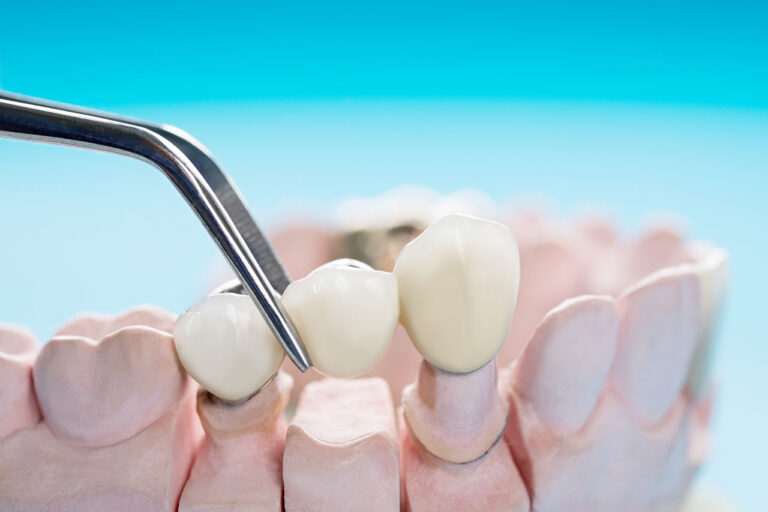
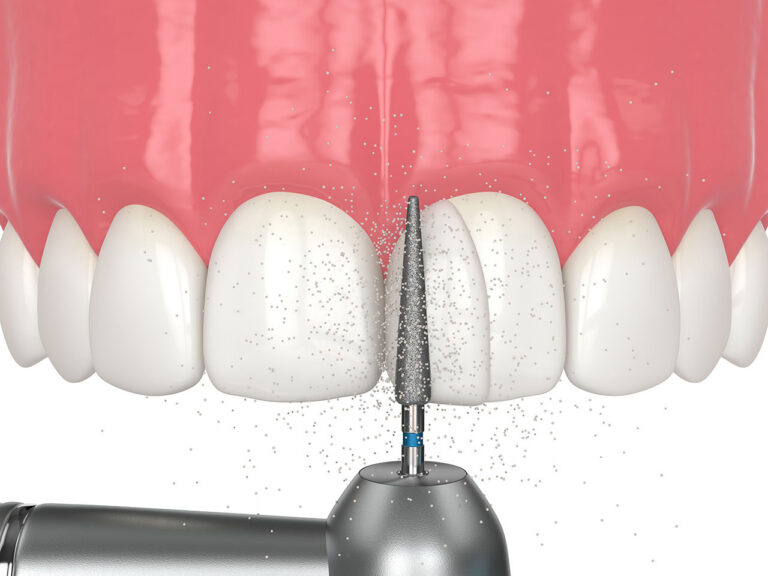
Treatment depends on the diagnosis. A small area of decay may need a filling. A cracked or weakened tooth may require a crown. If the pulp is infected or severely inflamed, root canal treatment may be considered to save the tooth. In other situations, extraction may be the safest option. A lost crown may sometimes be reattached, although a damaged crown or tooth may need a new restoration.
Not every emergency dentistry visit ends with complete treatment that day. Swelling, scheduling, or the complexity of the procedure may require a staged plan. Still, the dentist can often provide pain relief, stabilize the tooth, and explain exactly what should happen afterward.
How to Lower the Risk of a Dental Emergency
Not every emergency can be prevented, but routine care reduces many common risks. Regular exams help identify cavities, cracked fillings, gum infection, and worn teeth before symptoms become severe. Professional cleanings also support healthier gums and make it easier to monitor changes.
Wear a properly fitted mouthguard during contact sports or activities with a risk of facial injury. Avoid chewing ice, hard candy, popcorn kernels, and nonfood objects. These habits can fracture natural teeth and restorations. If you grind or clench, ask whether a night guard may help protect your teeth.
Address small problems promptly. Sensitivity, a rough edge, a loose crown, or mild pain when chewing may be easier to treat before the tooth breaks or becomes infected. In addition, keep the phone number for emergency dentistry available so you do not have to search for help while you are in pain.
Frequently Asked Questions About Emergency Dentistry
Is a severe toothache a dental emergency?
Yes, especially when the pain is constant, worsening, preventing sleep, or accompanied by swelling or fever. Severe pain can indicate infection, nerve inflammation, or structural damage that needs prompt evaluation.
What should I do if a permanent tooth is knocked out?
Handle the tooth by the crown, not the root. If it is dirty, rinse it gently without scrubbing. Try to place it back in the socket if possible, or keep it moist in milk or an appropriate tooth-preservation solution. Call an emergency dentist immediately because timing is critical.
Can I wait if my crown fell off but nothing hurts?
It is still best to call. The exposed tooth may be vulnerable even without pain. Keep the crown if you have it, avoid chewing on that side, and do not use household glue.
Will antibiotics cure a tooth infection?
Antibiotics may be appropriate in certain cases, particularly when infection is spreading. However, they usually do not remove the source inside a damaged tooth. Dental treatment is commonly needed to drain, repair, treat, or remove the affected tooth.
Can children receive emergency dentistry?
Yes. Children can experience toothaches, broken teeth, sports injuries, and swelling. Call the dental office promptly and explain the child’s age, symptoms, and how the injury occurred.
Get Answers Before the Pain Gets Worse
A toothache may quiet down, but that does not always mean the underlying problem is gone. Prompt emergency dentistry can relieve discomfort, identify infection, and protect a tooth before damage becomes more extensive. When pain is severe or something feels wrong, calling early is usually the safest choice.
For emergency dentistry in West Bloomfield, call Twin Oaks Dental Studio at (248) 553-3100. You may also contact us online. The office is located at 2300 Haggerty Rd, Suite 2040, West Bloomfield, MI 48323, and the team will help you determine the appropriate level of care.