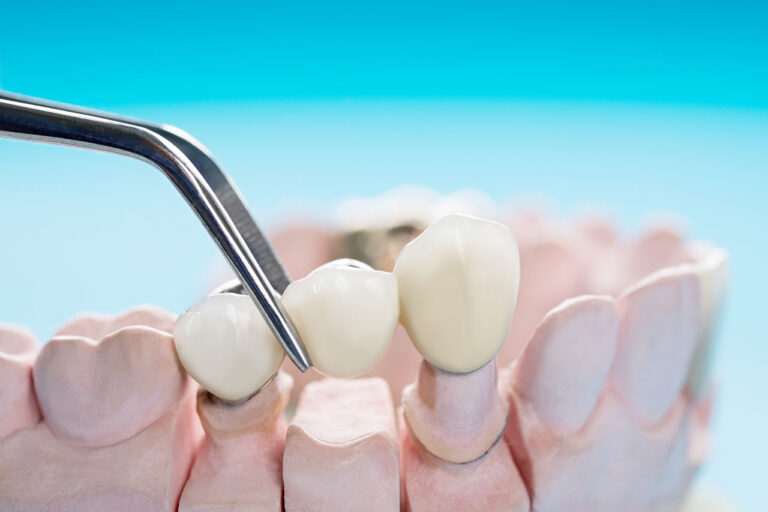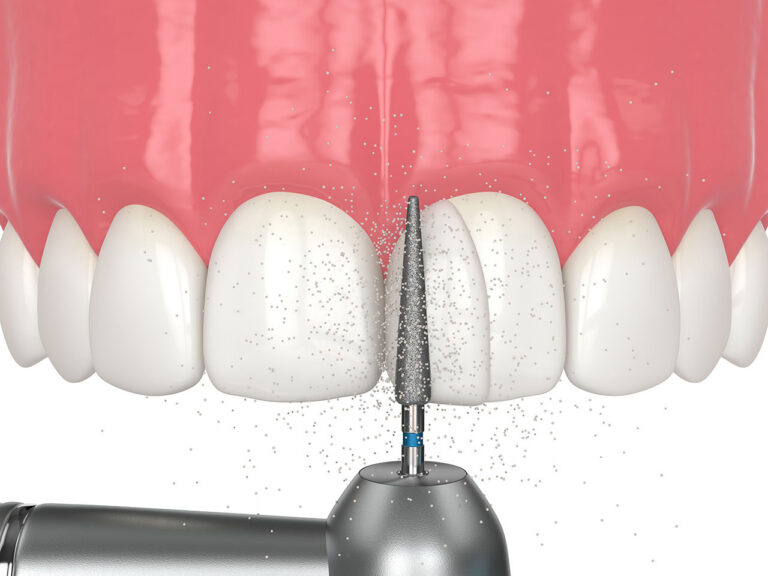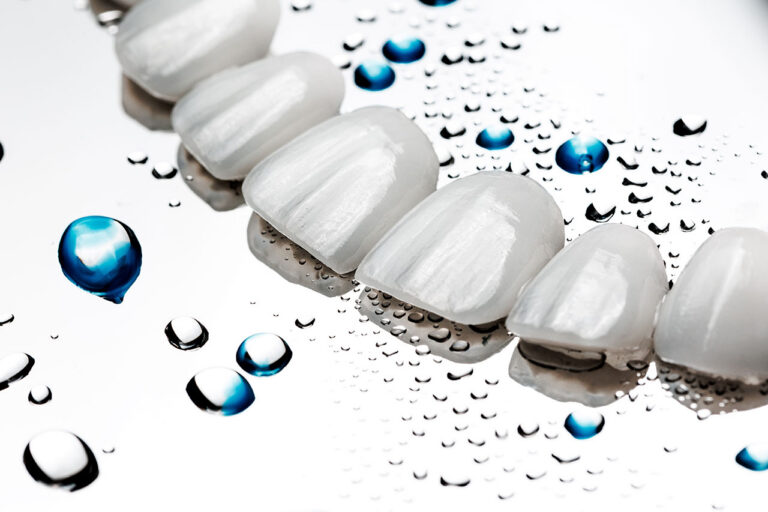
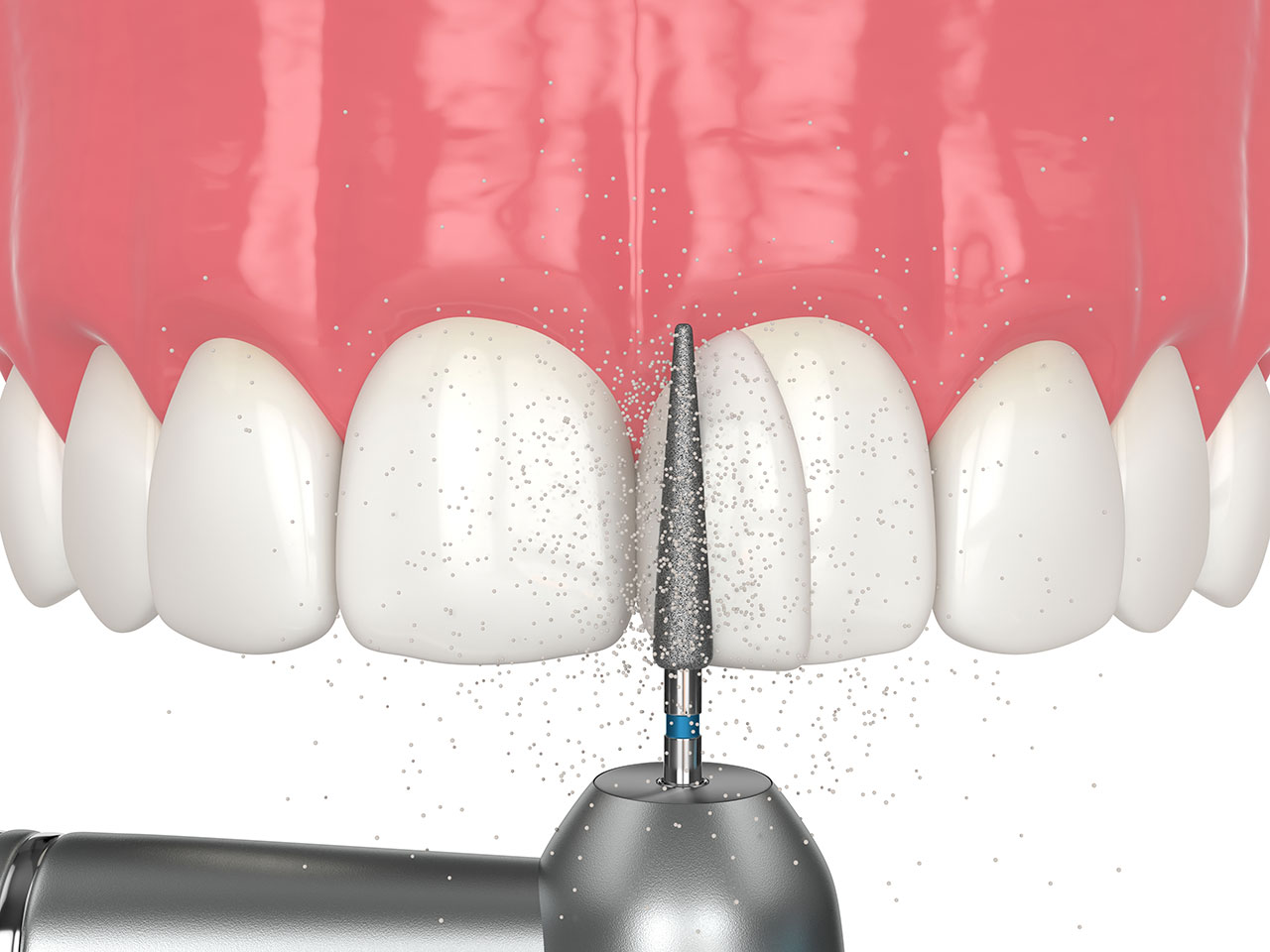
A small chip or space between teeth may not affect the health of your entire mouth, yet it can still be something you notice whenever you smile or look at a photograph. When the concern is relatively minor, dental bonding in West Bloomfield may offer a conservative way to reshape a tooth without requiring a laboratory-made restoration.
Dental bonding uses tooth-colored composite resin that is placed directly onto the tooth and sculpted into the desired shape. It can repair selected chips, close small spaces, smooth uneven edges, and improve certain areas of discoloration. Because the material is shaped in the dental office, many bonding treatments can be completed during a single visit.
What Is Dental Bonding?
Dental bonding is a cosmetic and restorative technique that uses composite resin, a tooth-colored material also used for many modern fillings. The dentist places the resin on the tooth, shapes it carefully, and hardens it with a curing light.
Composite resin is available in different shades and levels of translucency. This allows the material to be blended with the natural tooth rather than simply covering it with one solid color. The dentist may layer more than one shade when needed to create a natural transition.
Bonding is commonly used on front teeth because even a small change in shape can make a noticeable difference. It may also be used on other teeth when appropriate. The amount of resin and the design of the repair depend on the size of the concern and the forces placed on that area during biting.
Can Dental Bonding Repair a Chipped Tooth?
Yes, dental bonding is often used to repair minor chips, particularly when the tooth is otherwise healthy. The dentist can add composite resin where enamel has been lost and sculpt the material so the edge looks smooth again.
A chip should still be examined before cosmetic repair. Sometimes what looks like a simple chip is part of a deeper crack or larger structural problem. The dentist may evaluate the bite and ask how the damage occurred. If the tooth broke because of grinding, trauma, or biting something hard, that cause may need attention as well.
Bonding is particularly useful when the missing portion is relatively small. A tooth that has lost a significant amount of structure may need a veneer, crown, or another restoration that provides additional coverage and strength.
Can Dental Bonding Close a Gap Between Teeth?
Dental bonding can sometimes close a small space by adding resin to the sides of the neighboring teeth. The material is shaped so the teeth appear slightly wider and the gap becomes less visible.
However, not every space should be closed with bonding. The dentist must consider tooth proportions. Adding too much width to a narrow tooth may look natural, while adding the same amount to an already broad tooth may create an imbalanced appearance.
The cause of the gap also matters. Some spaces result from tooth size, while others are related to tooth position, missing teeth, gum conditions, or the relationship between the jaws. Orthodontic treatment may be more appropriate when several spaces are present or when moving the teeth would improve the bite.
What Else Can Cosmetic Dental Bonding Change?
Bonding may be used to reshape an uneven tooth edge, improve the appearance of a tooth that looks slightly shorter than its neighbors, or cover selected surface discoloration. It may also be used to make a naturally narrow tooth look more proportional.
Another common application is repairing small areas of enamel wear. However, the reason for the wear should be evaluated first. If grinding, clenching, acid exposure, or an uneven bite continues, the new bonding may wear down as well.
Composite can also replace certain older cosmetic repairs. If previous bonding has become stained, rough, or chipped, the dentist may be able to polish, repair, or replace it depending on its condition.
Benefits of Dental Bonding
- Conservative treatment: Many bonding procedures require little or no removal of healthy enamel.
- Single-visit convenience: Because the material is shaped directly on the tooth, treatment often does not require laboratory fabrication.
- Versatility: Bonding can address selected chips, gaps, uneven edges, shape concerns, and localized discoloration.
- Customized color: Composite resin can be selected and layered to complement nearby natural teeth.
- Repairability: Small areas of worn or chipped bonding can sometimes be repaired without replacing an entire restoration.
- Lower commitment than porcelain in many cases: Bonding may provide a useful option for patients who are not ready for veneers.
- Immediate visual change: Patients can generally see the completed tooth shape at the same appointment.
What Happens During a Dental Bonding Appointment?
Treatment starts with an evaluation of the tooth and bite. The dentist determines how much material is needed and whether bonding can provide a predictable result. Shade selection is generally done before the tooth becomes dehydrated during treatment because dryness can temporarily change how enamel appears.
The tooth surface is then prepared so the resin can bond effectively. In many cosmetic cases, extensive drilling is unnecessary. A conditioning material and dental adhesive are used to help create a strong connection between the enamel and composite.
The dentist applies resin in small amounts and sculpts it into the planned shape. A curing light hardens each layer. Additional material can be added until the tooth has the desired contour.
Once hardened, the bonding is trimmed and polished. The dentist checks how the tooth contacts the opposing teeth during normal biting and jaw movements. This is particularly important near the front edges because excessive contact can cause a repair to chip.
Does Dental Bonding Hurt?
Many cosmetic bonding procedures require little or no anesthesia when the treatment is limited to the outer enamel and does not involve decay or deeper tooth structure. Patients may feel the dentist working on the tooth, but treatment is generally straightforward.
If bonding is being used as part of a filling or repair that requires removal of decay, local anesthesia may be recommended. The dentist can explain what level of numbing is appropriate before treatment begins.
Afterward, the tooth should generally feel natural once the patient becomes accustomed to the new shape. If the bite feels high or the tooth contacts sooner than neighboring teeth, contact the dental office. A small adjustment may be all that is needed.
How Long Does Dental Bonding Last?
Dental bonding can last for years, but its lifespan varies according to the size and location of the restoration, bite forces, diet, grinding habits, and home care. A small repair in an area with limited pressure may behave differently from a larger repair on the biting edge of a front tooth.
Composite resin is durable but not as stain resistant as dental porcelain. Coffee, tea, red wine, tobacco, and other pigments may gradually affect its appearance. Regular professional polishing can sometimes refresh the surface, although deeper staining may require replacement.
Bonding can also chip if subjected to strong forces. Avoid chewing ice, biting fingernails, chewing pens, or using the teeth to open packages. These habits can damage both composite and natural enamel.
Dental Bonding or Porcelain Veneers?
Both treatments can improve tooth shape, but they differ in materials, preparation, durability, and cost. Dental bonding uses composite placed directly on the tooth. Porcelain veneers are custom ceramic restorations created to cover the front surface.
Bonding is often well suited to smaller changes. A minor chip or narrow gap may require only a small amount of resin. Because treatment can be conservative, it may preserve more untouched enamel.
Veneers may be considered when several teeth require more comprehensive changes in shape, color, or proportions. Porcelain also resists staining better than composite. However, veneers generally involve more preparation and represent a longer-term restorative commitment.
The choice should be based on the size of the concern, bite forces, desired longevity, and personal priorities rather than simply choosing the most extensive option.
Dental Bonding or Orthodontic Treatment?
Bonding changes the visible shape of teeth, while orthodontic treatment changes their actual positions. Therefore, they solve different problems.
If one small gap is caused by narrow tooth shape, bonding may be able to close it. If several gaps exist because teeth are spread across the arch, moving the teeth with clear aligners may produce a more balanced result.
Similarly, bonding can make the edge of a mildly rotated tooth look more even, but it cannot correct a significant rotation or bite relationship. The dentist can evaluate whether changing tooth shape, moving teeth, or combining treatments makes the most sense.
Can Bonded Teeth Be Whitened?
Whitening products change the color of natural tooth enamel, but they do not lighten existing composite resin in the same way. This means old bonding may no longer match if the surrounding natural teeth are whitened significantly.
If both treatments are planned, professional whitening may be completed first. After the new tooth shade stabilizes, bonding can be matched to the brighter color. Coordinating treatment can help avoid unnecessary replacement later.
How Do You Care for Dental Bonding?
Brush twice daily using a soft-bristled toothbrush and fluoride toothpaste. Clean between the teeth every day as well. Plaque can collect around bonded areas just as it can around natural enamel.
Avoid highly abrasive products unless recommended by your dentist because they may roughen the surface of composite. A smoother surface generally looks better and is easier to keep clean.
Attend routine dental examinations and cleanings. The dentist can inspect the margins, polish minor surface stains, and check for wear or chips. Early repair of a small defect may prevent a larger portion of the restoration from breaking.
If you grind or clench your teeth, ask whether a night guard is appropriate. Protecting bonding from repeated nighttime pressure may improve its longevity.
When Is Dental Bonding Not the Right Treatment?
Bonding may not be strong enough when a tooth has lost a large amount of structure or has a significant fracture. A crown or veneer may provide better coverage depending on the condition of the tooth.
Active decay and gum disease should also be addressed first. Cosmetic treatment is most predictable when the teeth and supporting tissues are healthy.
Severe discoloration may show through composite or require an amount of material that makes the tooth look bulky. Likewise, large spaces or major alignment concerns may be better treated orthodontically.
A consultation allows the dentist to identify these limitations before treatment begins. The goal is not simply to place bonding wherever possible. Instead, the goal is to choose a treatment that looks natural, functions comfortably, and can be maintained.
Frequently Asked Questions About Dental Bonding
How long does cosmetic dental bonding take?
Timing depends on how many teeth are treated and the complexity of the reshaping. Many small bonding procedures can be completed during a single dental visit.
Can dental bonding fall off?
Bonding can chip or detach, particularly after trauma or heavy biting forces. If a repair breaks, save any loose piece if possible and contact the dental office for an evaluation.
Does dental bonding stain?
Composite resin can gradually pick up stains from coffee, tea, wine, tobacco, and other pigments. Professional polishing may improve some surface staining.
Can dental bonding be removed?
When little or no enamel was removed, bonding may sometimes be removed or replaced conservatively. The exact situation depends on how the tooth was prepared and how much material was used.
Is bonding suitable for several front teeth?
It can be, particularly when changes are relatively small. However, patients seeking extensive color and shape changes across multiple teeth may also want to discuss porcelain veneers.
Make Small Smile Changes With a Personalized Plan
Dental bonding can be a useful solution when a small chip, gap, worn edge, or shape difference is the main concern. Because the material is added directly to the tooth, treatment can often be conservative and efficient. The best results come from choosing cases where composite resin can provide both a natural appearance and reliable function.
To ask whether dental bonding in West Bloomfield is appropriate for your smile, contact Twin Oaks Dental Studio at (248) 553-3100 to book an appointment. You can also contact the practice online. Twin Oaks Dental Studio is located at 2300 Haggerty Rd, Suite 2040, West Bloomfield, MI 48323.