
When you replace a missing tooth, you want more than a temporary improvement. You want a solution that feels dependable when you eat, speak, and smile. That is why many patients ask how long dental implants in West Bloomfield can last and what they can do to protect their results.
Dental implants are designed as a long-term form of tooth replacement. However, their lifespan is not determined by a single number. The health of your gums, the strength of your jawbone, your daily cleaning habits, and the way your bite distributes pressure can all affect how well an implant performs over time. Understanding those factors can help you make an informed decision and care for your new tooth with confidence.
What Makes Dental Implants Different?
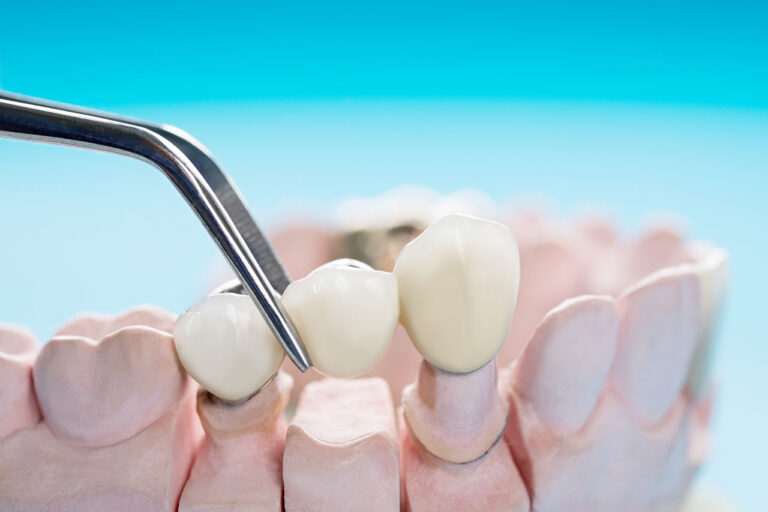
A dental implant replaces more than the visible part of a missing tooth. The implant itself is a small post placed in the jawbone, where it serves as an artificial tooth root. After the area heals, a connector and custom restoration are attached. Depending on your needs, that restoration may be a crown, bridge, or implant-supported denture.
This design helps dental implants feel stable because the replacement is supported at the root level. A traditional bridge, by comparison, depends on neighboring teeth for support. A removable denture rests on the gums and may need adhesive or periodic adjustment. Dental implants can provide a more independent foundation, although every option has advantages and limitations that should be reviewed during an exam.
Another important distinction is that an implant and its visible restoration are separate components. The implant post may remain healthy for many years, while the crown or other restoration may eventually need repair or replacement because of ordinary wear. Therefore, when a dentist discusses the lifespan of dental implants, it is helpful to ask whether the estimate refers to the implant post, the restoration, or the entire treatment.
How Long Can Dental Implants Last?
With appropriate planning, healthy healing, and consistent maintenance, dental implants may function for decades. Some patients keep the same implant post for the rest of their lives. Still, no dental treatment can be guaranteed forever. The crown attached to an implant experiences daily chewing forces, temperature changes, and contact with other teeth. As a result, it may wear differently than the implant beneath it.
The lifespan of dental implants also varies from person to person. For example, an implant replacing a front tooth may face different forces than an implant replacing a molar. Likewise, a patient who grinds their teeth may place repeated pressure on the restoration, while another patient may have a lighter bite. Your dentist evaluates these details before treatment and continues to monitor them during routine visits.
Long-term success is usually built in stages. First, the implant must be positioned in healthy bone. Next, the surrounding tissue must heal without infection. Then, the final restoration must fit the bite correctly. Finally, the patient must keep the implant area clean and attend professional maintenance appointments. Each stage matters, so careful planning is just as important as the implant material itself.
Factors That Affect the Lifespan of Dental Implants
Gum Health
Healthy gums form a protective seal around dental implants. However, plaque can still collect around an implant crown and irritate the surrounding tissue. Early inflammation may cause redness, tenderness, or bleeding. If the irritation progresses, the supporting bone can be affected. Because implants cannot develop cavities, some patients assume they need less care than natural teeth. In reality, the surrounding gums and bone still require daily attention.
Bone Quality and Implant Position
The jawbone provides the foundation for dental implants. Therefore, the amount and density of available bone influence treatment planning. Three-dimensional imaging can help the dentist evaluate bone shape, nearby anatomy, and the best position for the implant. Precise placement also helps distribute chewing forces more evenly, which may support comfortable long-term function.
Smoking and Nicotine Use
Smoking and other nicotine use can interfere with circulation and healing. In addition, these habits may increase the chance of gum problems around dental implants. Patients who smoke should be honest with their dentist so the treatment plan can account for the added risk. Reducing or stopping nicotine use can support healing and overall oral health.
Teeth Grinding and Bite Pressure
Clenching or grinding can place heavy repeated forces on implant restorations. Over time, that pressure may chip a crown, loosen a component, or strain the surrounding structures. A custom night guard may be recommended when signs of grinding are present. Meanwhile, bite adjustments may help prevent one tooth from receiving more pressure than it should.
Home Care and Professional Maintenance
Daily cleaning is one of the most controllable factors in the lifespan of dental implants. Brushing twice a day and cleaning between the implant and neighboring teeth helps remove plaque before it hardens. Depending on the restoration, your dental team may recommend floss threaders, interdental brushes, or a water flosser. In addition, professional visits allow the team to check tissue health, bite stability, and the condition of the restoration.
Benefits of Dental Implants
- Stable chewing support: Dental implants are anchored in the jaw, which can make eating feel more secure than with a loose removable appliance.
- A natural-looking restoration: The visible crown can be shaped and shaded to complement the surrounding teeth.
- Independent tooth replacement: A single implant usually does not require the neighboring teeth to be reshaped for support.
- Support for larger restorations: Several dental implants may stabilize a bridge or denture when multiple teeth are missing.
- Simple daily routines: A single implant crown is generally brushed and cleaned much like a natural tooth, although special tools may sometimes be helpful.
- Long-term value: Because dental implants are designed for durability, they may reduce the need for repeated replacement compared with some short-term options.
- Personalized planning: Implant treatment can be adapted to replace one tooth, several teeth, or a complete arch.
How to Help Dental Implants Last Longer
Good implant care begins with a consistent routine, not an occasional deep clean. Use a soft-bristled toothbrush and clean all sides of the implant crown, especially near the gumline. Also, clean between the teeth every day. If ordinary floss is difficult to use around a bridge or denture, ask for a demonstration of tools designed for that space.
Regular dental visits are equally important. During an exam, the dentist can look for subtle changes that may not cause symptoms yet. For instance, a small bite imbalance or early gum inflammation may be easier to correct before it affects the implant. Professional cleanings also remove hardened deposits that cannot be brushed away at home.
Protecting dental implants also means protecting your entire mouth. Untreated gum disease around natural teeth can create an unhealthy environment near an implant. Likewise, a cracked neighboring tooth or shifting bite can change how pressure is distributed. Therefore, preventive care should focus on the full smile rather than the implant alone.
Diet matters most during healing, when the implant site may need protection from hard or sticky foods. After the restoration is complete, many patients can return to a broad, balanced diet. Nevertheless, chewing ice, hard candy, pens, or other nonfood objects can damage implant crowns just as they can damage natural teeth.
Signs That an Implant Needs Attention
Dental implants should generally feel stable and comfortable. Call your dentist if you notice bleeding that does not improve, swelling near the implant, discomfort when biting, a change in the way the teeth meet, or movement in the crown. A loose crown does not always mean the implant itself has failed. Sometimes a connector or restoration can be repaired while the implant remains healthy.
Persistent bad taste, drainage, or a pimple-like bump on the gum also deserves prompt evaluation. In addition, do not wait for severe pain before seeking care. Some implant problems develop with mild symptoms, especially in the early stages. A timely exam can identify the source and help protect the surrounding bone and tissue.
Who May Be a Candidate for Dental Implants?
Many adults with missing teeth can be considered for dental implants. However, candidacy depends on more than age. The dentist reviews your medical history, medications, gum health, bone volume, bite, and personal goals. Conditions that affect healing may need to be stabilized before implant placement. Likewise, active gum infection should be treated first.
If bone has changed after tooth loss, additional procedures may sometimes improve the foundation for an implant. In other cases, a bridge, removable denture, or implant-supported option may better match the patient’s anatomy, timeline, or budget. The purpose of the consultation is not to push one solution. Instead, it is to compare appropriate choices and explain what each one requires.
Frequently Asked Questions About Dental Implants
Do dental implants get cavities?
The implant post and ceramic crown cannot decay like natural tooth enamel. However, plaque can still inflame the surrounding gums, and neighboring teeth can still develop cavities. Daily brushing, cleaning between the teeth, and regular exams remain essential.
Will the implant crown ever need to be replaced?
It may. The crown is exposed to years of chewing and may eventually wear, chip, or no longer match changes in nearby teeth. Replacing a crown does not necessarily mean replacing the implant post.
Can I floss around a dental implant?
Yes, although the best method depends on the restoration. Traditional floss may work around a single implant crown, while a bridge or implant denture may require threaders, small brushes, or a water flosser.
What happens if I grind my teeth?
Grinding does not automatically prevent implant treatment. However, your dentist may recommend a night guard and careful bite planning to reduce excess pressure on dental implants and their restorations.
How often should dental implants be checked?
The schedule is individualized. Many patients are seen at routine preventive intervals, while those with a history of gum disease or other risk factors may benefit from more frequent maintenance.
Plan for a Strong, Comfortable Tooth Replacement
The best answer to “How long do dental implants last?” is that their longevity depends on thoughtful planning and ongoing care. Dental implants can offer durable, natural-looking tooth replacement, but they still need healthy gums, balanced bite forces, and consistent maintenance. A personalized evaluation can show whether implants fit your needs and what steps may improve long-term success.
To explore dental implants in West Bloomfield, contact Twin Oaks Dental Studio at (248) 553-3100 to schedule a consultation, or contact us online. The practice is located at 2300 Haggerty Rd, Suite 2040, West Bloomfield, MI 48323.